Legend & folklore in Glencoe UK
Scotland is a land of legend, but did you know that there are lots of folk stories that stem from right here on the Woodlands Estate. Faeries, enchanted trees and even trolls are said to have lived here, but today we’re going to share the spine-tingling tale of Corrag the Witch.
Corrag the witch
The forests around the Woodlands Estate have long been shrouded in mystery. Some say these very woods could have even been home to Corrag the Witch, a woman with such powerful prophetic visions that even the wind seemed to listen when she spoke. Her forest was near Glencoe, and it’s said that she lived in harmony with nature, until, of course, her warnings fell on deaf ears!
Corrag is perhaps best known for trying to prevent one of the most tragic events in Scottish history: the Massacre of Glencoe in 1692. The tale goes like this: Corrag is reported to have foreseen disaster approaching and did everything in her power to warn the chief of the MacDonald clan. Despite her frantic pleas, the chief paid no heed.
A few days later, 120 government soldiers, who had been warmly welcomed into MacDonald homes for over a week, turned on their hosts in the dead of night. The clan was slaughtered mercilessly, and the massacre remains one of the darkest moments in Scottish history.

The Chief’s sword
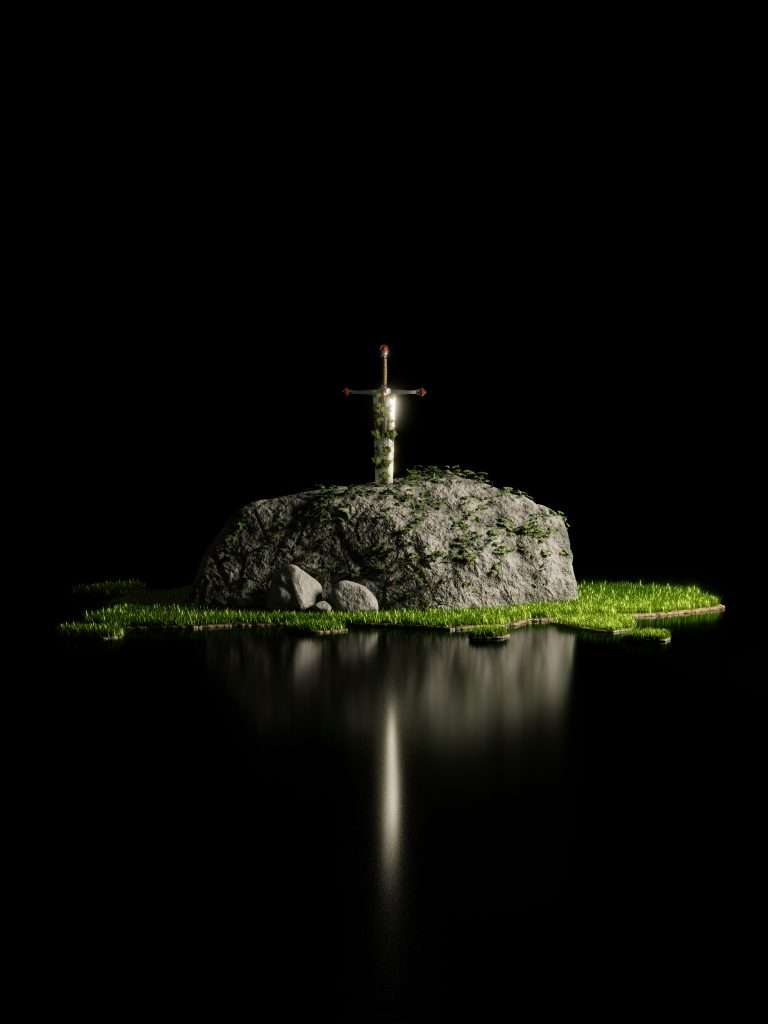
Legend has it that, in a final act of defiance, Corrag seized the chief’s sword and threw it into the loch, proclaiming: “As long as this sword remains undisturbed by man, no man from this Glen will fall in battle again!” And wouldn’t you know it? Her prophecy seemed to come true. Despite the local men’s involvement in some of the bloodiest battles in history, from Culloden to Waterloo, not a single one of them is recorded to have died in combat. It was as if Corrag’s magic truly protected them.
The sword resurfaces
Fast forward to June 1916. The First World War was raging and a dredger was brought north from Glasgow to deepen Loch Linnhe to accommodate ships for the war effort. On 30th June, a worker at the local inn walked in, holding something that would send chills down any villager’s spine: a sword handle, pulled from the very waters Corrag had cursed.
Naturally, the discovery caused quite the stir. The villagers, who had grown up on the tales of Corrag’s warning, were horrified. Only one day later, the Battle of the Somme began, and tragically, seven local men lost their lives in battle. Was it coincidence, or had Corrag’s prophecy come back to bite them?
The bridge that wasn’t
Corrag didn’t stop there. She also said that if a bridge were ever built across the loch, a devastating flood would destroy the entire glen.
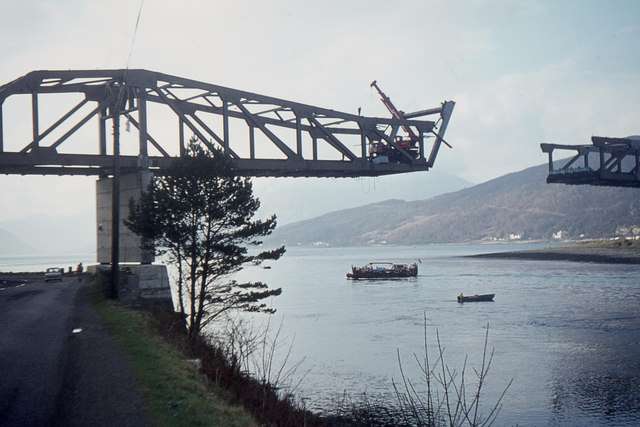
The years passed and in 1970, engineers began constructing the Ballachulish Bridge. The locals, knowing all too well the power of old prophecies, decided to take matters into their own hands. They refused to let the legend be ignored.
In an act of quiet rebellion, the people deliberately omitted the final bolt from the Ballachulish Bridge’s design. The structure stood incomplete, a silent testament to their belief in Corrag’s warnings. The bridge was never truly finished, and as far as we know, the flood has yet to come.