The history of Glencoe
There are so many fascinating historic sites in Glencoe and the surrounding area. Each artefact or location makes for the perfect sightseeing opportunity and there’s something for everyone; however, did you know that there are many historical events that have happened right here on the Woodlands Estate? From ancient burial cists to baronial houses with a story, it’s all going on!
Crossing the Ballachulish narrows
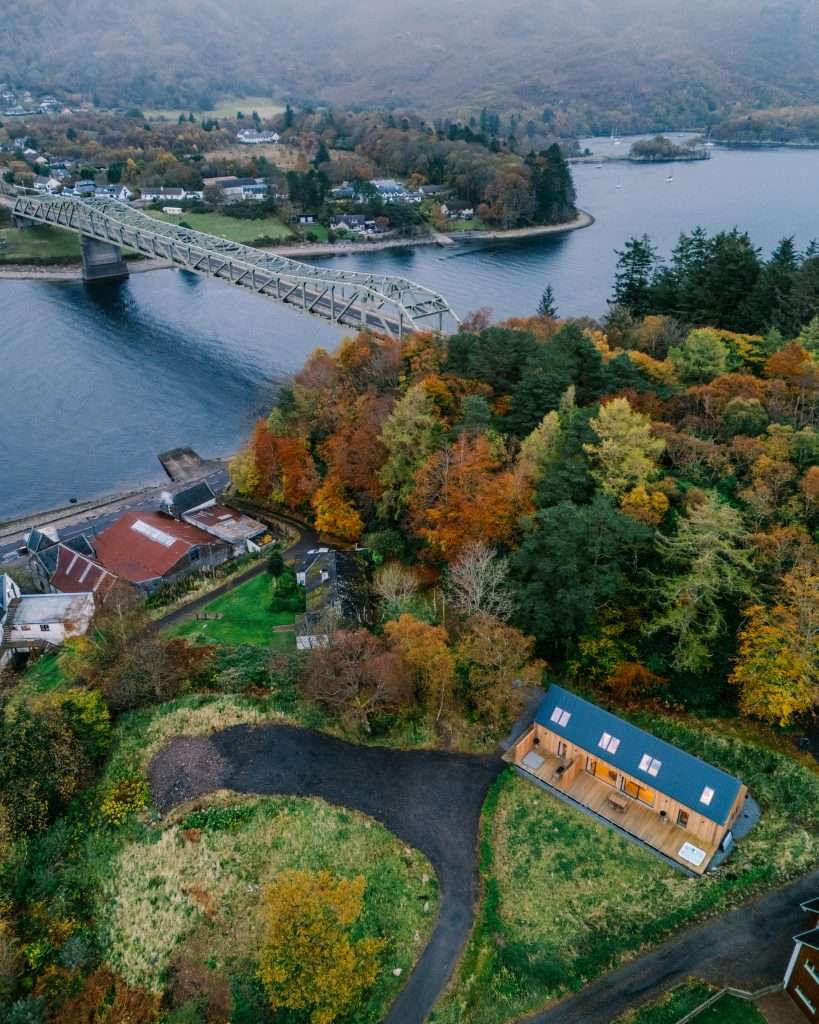
Standing on the ninth tee at Woodlands Golf Course, Loch Linnhe sparkling to your left and Loch Leven shimmering to your right, what do you see right in the middle of this breathtaking view? The mighty Ballachulish Bridge, standing proud covering a distance of 964ft across the ‘narrows’. The steel structure links the north and south sides of the lochs.
Now, this bridge didn’t just appear overnight. Back in the 1930s, someone thought, “Wouldn’t it be handy to drive across the loch instead of looping around it?” But as with many big ideas, it took a while to catch on (nearly 40 years).
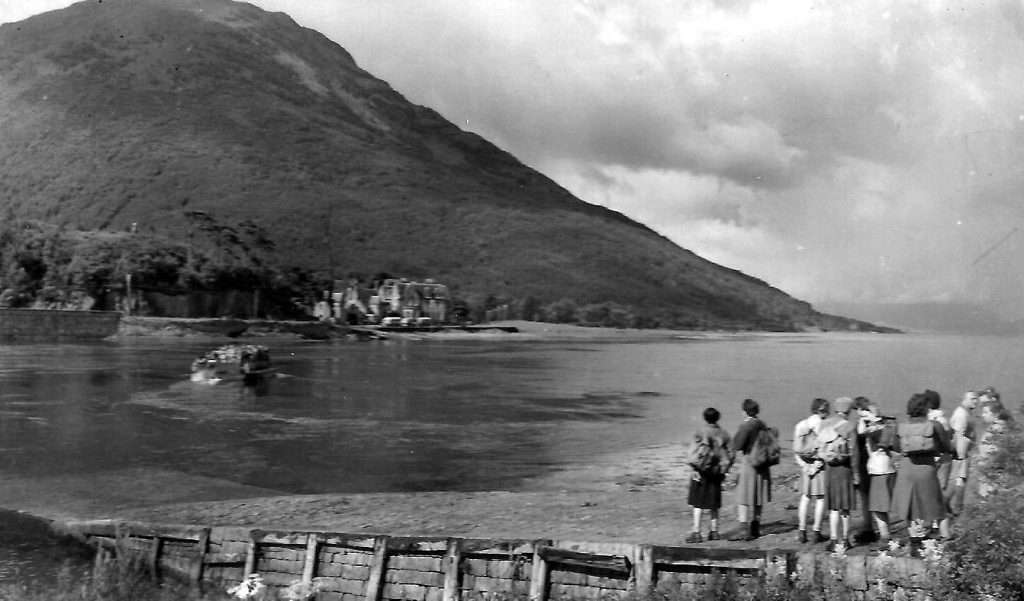
On 23rd December 1975, the Ballachulish Bridge finally opened, letting drivers zip across the narrows in seconds. Before then, getting across was a bit more of an adventure. You had two choices; embark on a 19-mile scenic detour around Loch Leven or join a queue to hop on a ferry.
Before the Ballachulish bridge
Crossing the narrows was a challenge even in ancient times and local legend has it that Charles the Skipper – an early ferryman – once lured a demon dragon off Beinn a’ Bheithir and saved the village. Talk about multitasking!
The 20th Century
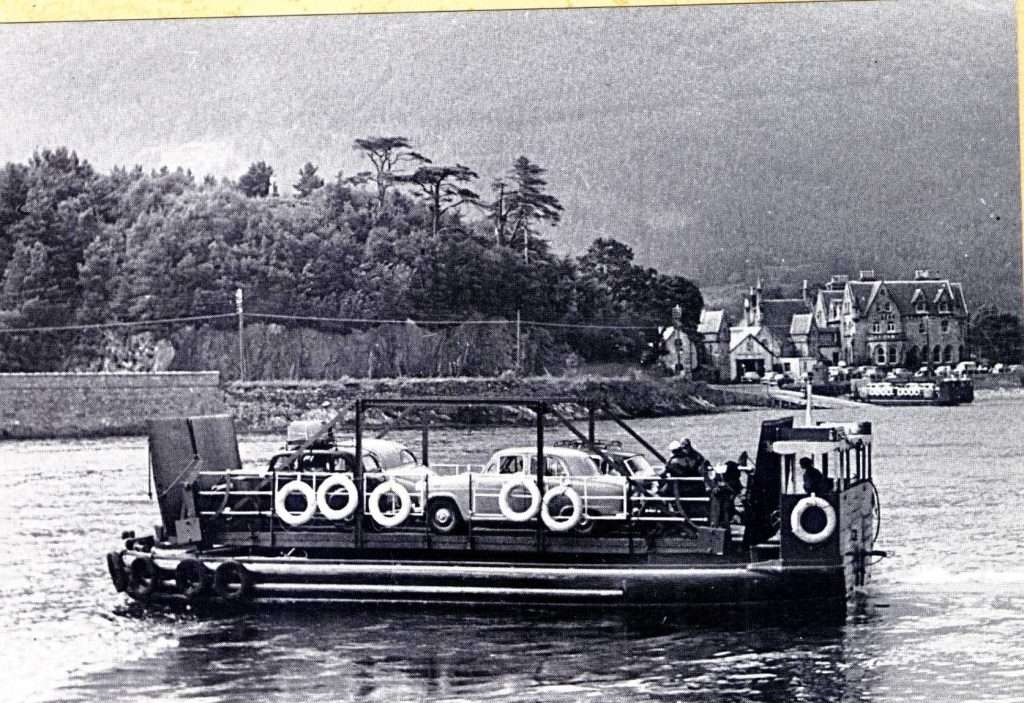
Fast forward to the 1900s, when cars were becoming all the rage. In 1906, the first ferry crossing opened for business. Operated by Ballachulish Hotel, the ferry was a humble affair, where a car would be driven onto planks covering the width of the vessel before several ferrymen would row it across the narrows!
By 1912, the ferrymen could finally hang up their oars when the world’s first motorised turntable ferry, the Glencoe, arrived. It could carry one car at a time, which was fine since there were only 800 cars in the entire UK.
By the 1930s, with over a million cars on the roads, the Glencoe 2 was launched and over the years that followed, the ferry upgrades continued.
In 1935, the Maid of Glencoe and the Queen of Glen Albyn joined the fleet and by 1957, the ferrymen were living the high life aboard the Appin Chief, which was the first ferry in the area with a shelter for the crew.
All good things must come to an end
At 12.01pm on 23rd December 1975, the final car ferry sailed from Ballachulish’s south pier. The Glen Duror and Glen Loy soon vanished from the Maritime Register, their fates a mystery; however, there’s a silver lining! The Glenachulish, the last manually operated turntable ferry in the world, is still going strong in Glenelg. You can even donate to help keep her afloat (literally).